





[ad_1]
Moths are one of the worst animals in the house. These insects love to invade spaces, and all of these insects seek out dark areas to lay their eggs and find food. That means you’re likely to find them in your basement, attic, or closet. Living with them is no fun, especially since they like to chew on things like sweaters and leave disgusting insect husks in your home. While they’re mostly harmless creatures, it can still be unnerving to see them flitting about your space.That’s why we share tips How to Get Rid of Moths forever.
Below, you’ll find everything you need to know about moths and the best ways to keep these insects out of your home. first step? Find out which moth — the clothing moth or the pantry moth — has invaded your home. While both are equally annoying, they have different food sources. Clothes moths can crawl over your sheets and closets, as well as multiply in your kitchen pantry. Therefore, it is critical to implement effective precautions, including throwing away contaminated materials and sealing seasonal clothing and pantry items. If you want to skip the typical mothballs and store-bought moth traps, we’ve got DIY ideas that will help keep everyday objects out of the way and provide an easy solution to trapping and killing them overnight.
We consulted the experts at the Good Housekeeping Institute’s Home Care and Cleaning Lab as well as professional pest exterminators when it came to our recommendations. Follow the directions below to learn exactly how to deal with moths and keep them out of your home for good.
2. Find out if you have clothing or pantry moths.
Homeowners are typically exposed to one of two types of moths: pantry moth and clothes moth. As their categories suggest, these insects seek out different food sources in different parts of the house.
According to reports, for the pantry species, sometimes called flour moths, most are attracted to grains and dry goods: grains, crackers, rice and other stored foods Holguin Entomologist Chelle Hartzer. They usually arrive at the grocery store from a contaminated warehouse or factory and then hitch a ride home. When they invade your space, you may notice disgusting webs or tiny caterpillars in treats, the not-so-pleasant gift of pupae and larvae.
Clothes moths naturally love closets and wardrobes, and caterpillars rely on natural fibers such as linen, wool, silk or fur for a living. These little bugs can get into your home or apartment in a number of ways – they can fly in through an open door or window, ride in on store-bought clothes (especially second-hand), or even get in through small cracks in your facade .
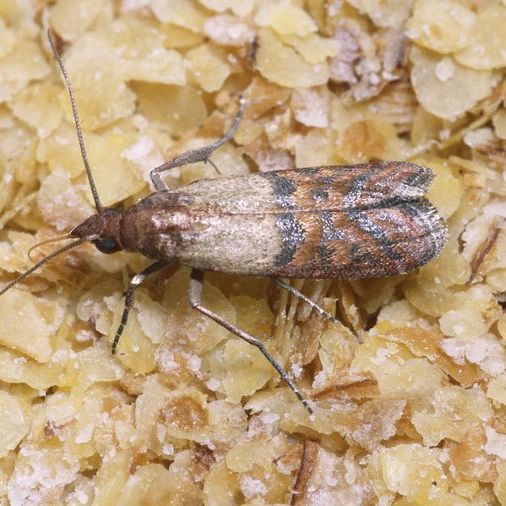
Adult Indian grain moths (a pantry moth) are usually half an inch long and have gray and bronze-colored wings.
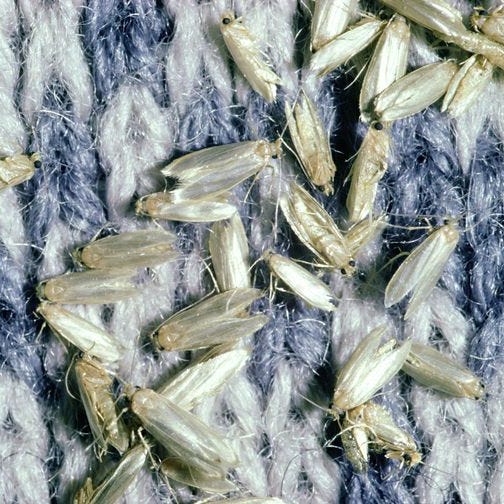
The common clothes moth, also known as the webbing moth, has a white-gold appearance.
“While clothes moths primarily feed on natural fibers, they have been known to turn to synthetic materials for food sources, such as stains,” added Carolyn Forté, executive director of the Home Care and Cleaning Lab. Good Home Economics Academy. “That’s why it’s Clothes must be washed before storing. Even stains you can’t see, like sweat or clear drinks, can oxidize and attract insects during storage over time. “
According to Pest Management Brands, in addition to holes, these pests leave behind pupal skins, bands, infestation and insect waste that looks like large grains of sand woodstream.
according to Terminix Pest Control, food-infesting moths are usually much larger than clothes moths, even twice the size. Another identifying feature: If you look at an edible moth under a microscope, it doesn’t have any hair. Clothes moths, on the other hand, have tiny hair tufts.
2. Begin cleaning and discard infected material.
If you want to get rid of pantry moths, the first step in stopping an infestation is to remove moths from your pantry. trash bag. Throw away all potentially contaminated food and take it out of the home.
If you’re dealing with clothes moths, start with a pile of clothes. Wash as much as you can with hot water and detergent, then tumble dry on medium to high heat to kill larvae, unless the care label advises otherwise, Forté said. Dry cleaning can also condition garments.
Whether in the kitchen or in the closet, vacuum everything: Carpet, walls, baseboards… you name it. Use the crevice tool to clean along edges and corners. Then immediately throw away the vacuum bag or empty the dust cup and wash it thoroughly, as it may contain eggs. at last, Thoroughly scrub shelves and walls with a soap and water mixture.Pantry shelves can also be wiped down with a rag White vinegar and water mixed 50/50.
If you are unable to determine the source of the problem, ask a professional. Pest control operators can also help with widespread infestation or hard-to-clean items, such as borer-infested furniture or carpet.
3. Skip the mothballs and seal everything up.
Your grandma’s favorite no longer works because many experts believe the chemicals in mothballs (naphthalene or p-dichlorobenzene) pose a health risk. California the pesticide has been recognized as a known carcinogen, and European Union Naphthalene has been banned. Children and small pets may also crave mothballs because they look like treats, National Pesticide Information Center state.
Proceed with caution and deter clothes moths in other ways, advises Ford.multi-pronged approach Thoroughly cleaned and tightly sealed These items will protect your home from moths without leaving behind a lingering odor.
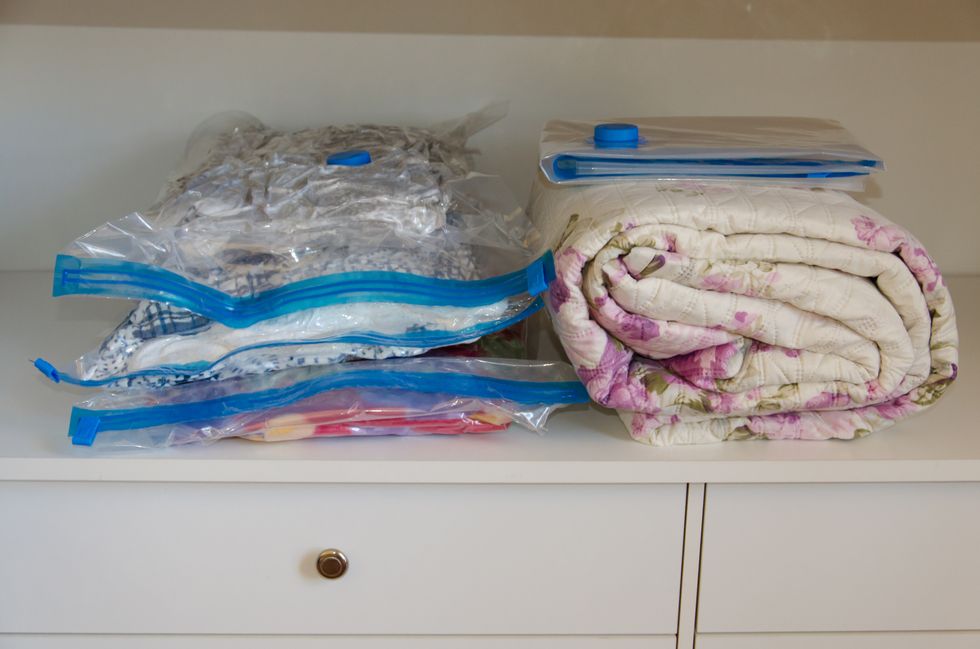
Seal seasonal clothing in airtight bags or boxes; this Vacuum Sealed Varieties is a good choice. Store them in the main part of the house, not in a hot and humid attic or basement. “Items like expensive cashmere can even Place in a zip-top plastic bag with some cotton batting to absorb moisture and store in the refrigeratorif you have the space,” Ford said.
Contrary to popular belief, experts Teminix It has been said that cedar cabinets are not the most efficient storage solution. While you can try natural repellents, Don’t rely on cedar as a quick fix or long-lasting remedy. Wood oil will prevent infection by injuring the small larvae, but it will not remove existing larvae and the effect will wear off after a few years.
in the pantry, hiding food in glass or hard plastic airtight storage container.This has the added effect of deterring moisture-loving mold and other pests such as Ant and cockroach.it’s also a good idea Check the grocery store for groceries before putting them in the pantry This is true, too, because that’s how infections usually start.
4. Consider homebrew solutions.
You can make a variety of DIY traps using items you already have at home. Some will kill these pests instantly, while others are an effective way to prevent their infestation.
- To create an herbal blend: Herbs are great moth repellents since they don’t like the smell. Fill a plastic bag with herbs — lavender, rosemary, cloves, etc. — and hang the bag where you want moths to avoid it. Or, dilute essential oils and spray on clothes and belongings.
- Use light dish soap: Blogger Merissa Alink’s Little House Living makes fly traps to rid homes of herbivorous moths (also known as “army cutworms”). She pours water into the bowl, then pours in the foaming dish soap. Place the bowl under a light—in her case, it was under a furnace light—and turn off all lights in the rest of the space. The next day, she had a bowl of drowned moths.
- Wipe with vinegar: Vinegar is a natural cleaner, so it helps to wash and scrub the area where larvae and eggs are found. When using vinegar, be aware that it can corrode wood and stone surfaces.
5. Vacuum and clean regularly.
Prevent future pest problems by cleaning regularly. Wiping down the surface and removing dust, fibers and debris helps a lot. Monitor for signs of moth activity not only in clothing and food, but elsewhere as well. For example, pantry moths often go to eat bird food, so keep it away from the house and garage, Hazer says.
According to Woodstream, clothing moths also find a home in antiques such as wool rugs, horsehair stuffed furniture, preserved animals, piano felt and old dolls with real hair. Inspect these items before purchasing them at an estate auction, and regularly thereafter. Another favorite? Pet fur, so check out your dog’s supplies too. Being vigilant can prevent you from having severe moth headaches in the future.
what it takes to control moths
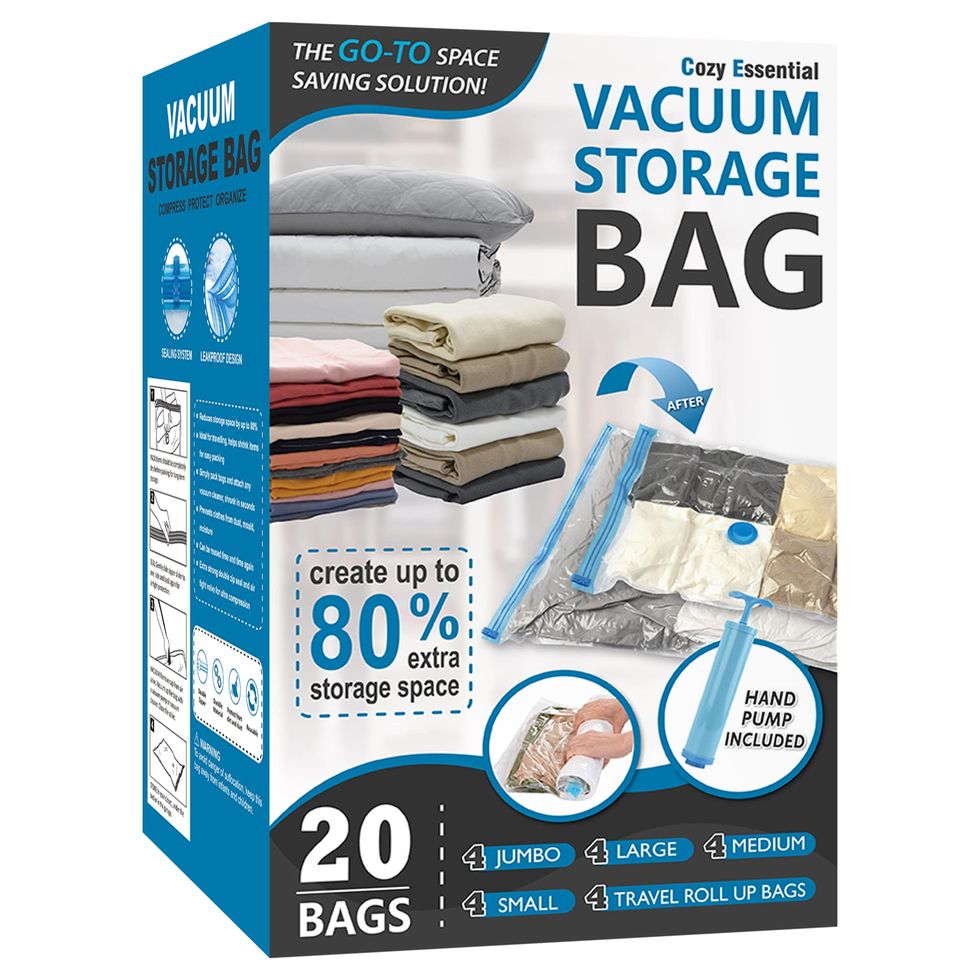
20 vacuum storage bags
Now 17% off
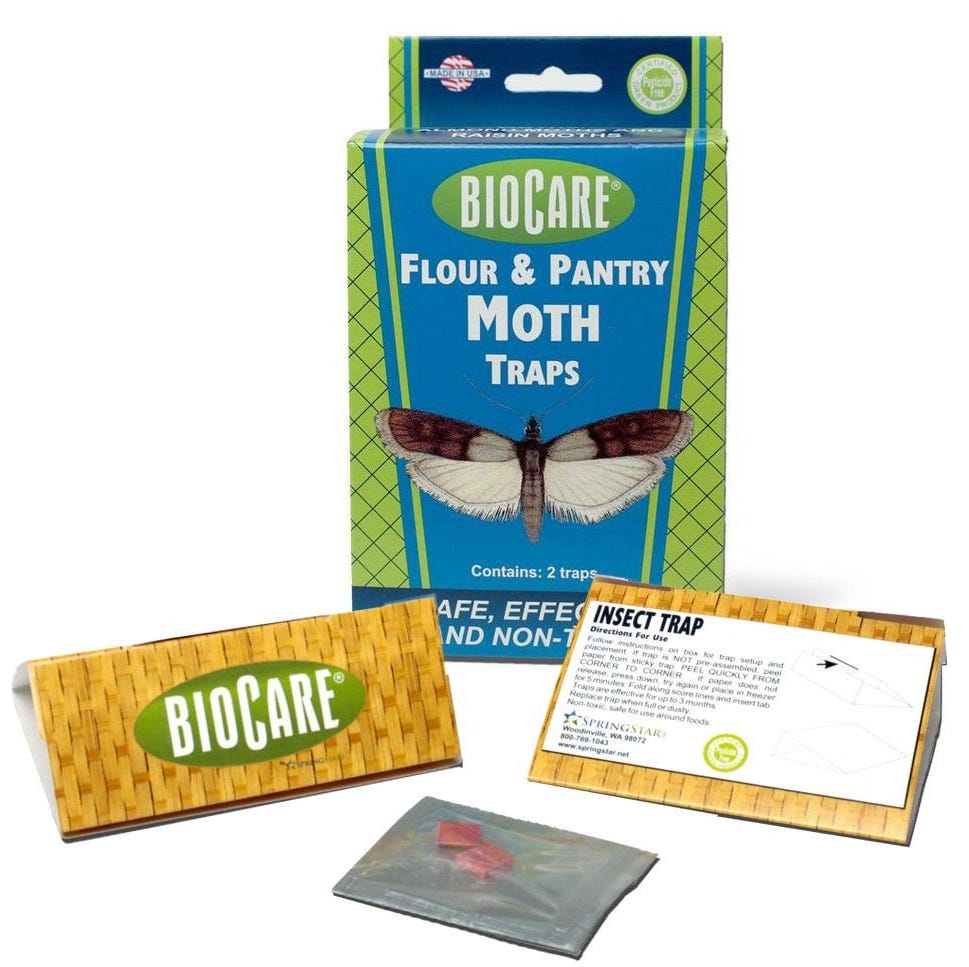
Flour and Pantry Moth Traps
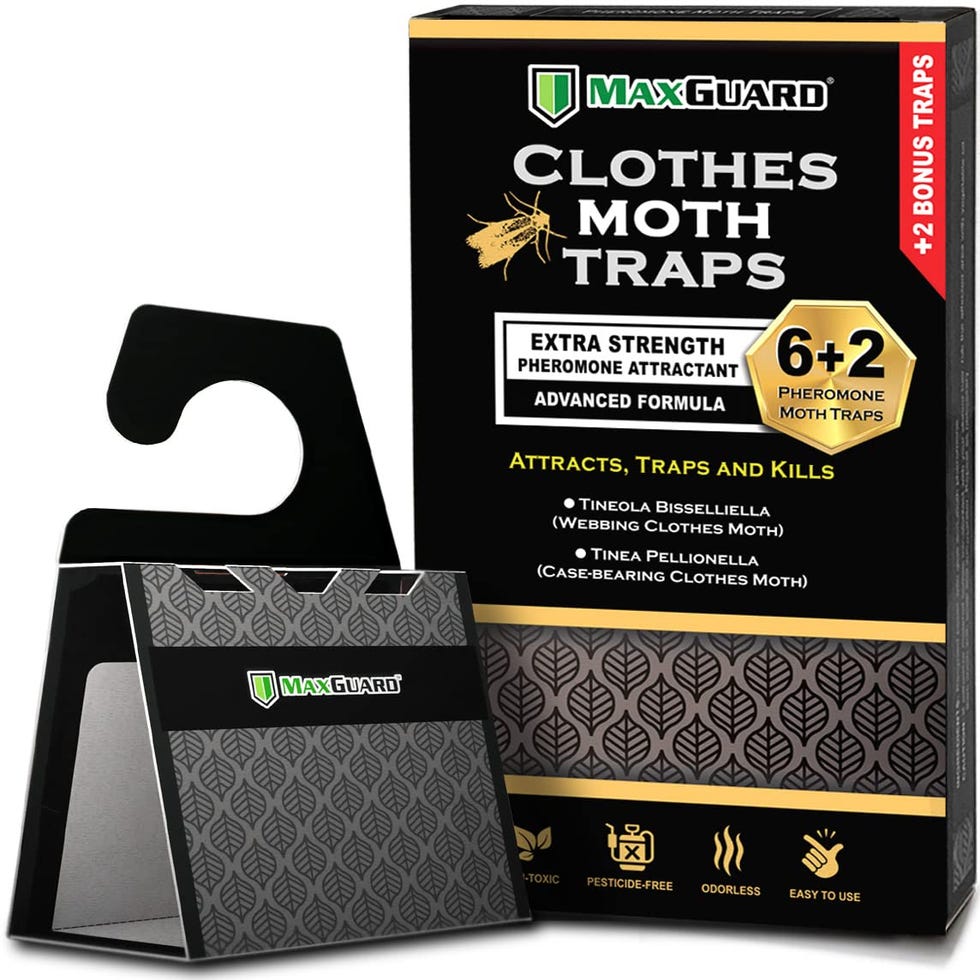
clothes moth trap
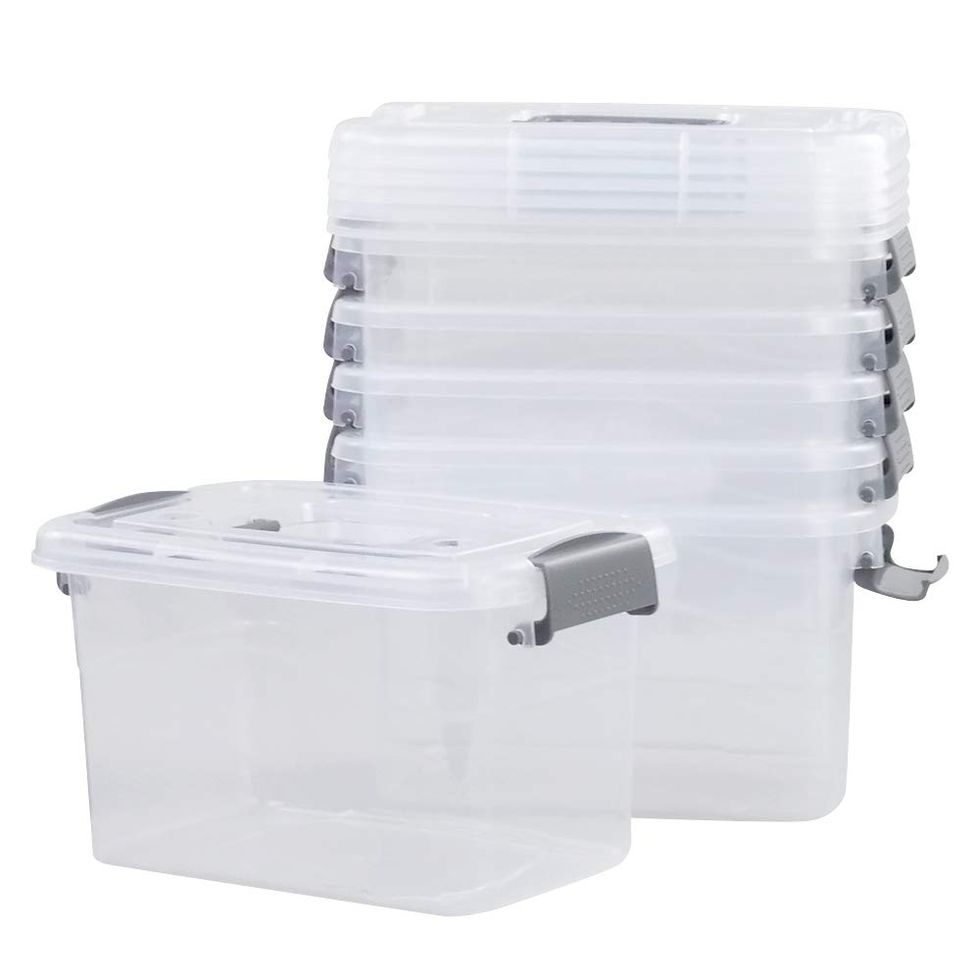
6 Pack Home Storage Bins

Contributing Writer
Caroline is a writer and editor with nearly a decade of experience. From 2015 to 2019, she was in ” good housekeeping, including as a health editor covering nutrition, fitness, wellness and other lifestyle news. A graduate of the Medill School of Journalism, she dreams of the day Northwest will return to the Rose Bowl.
assistant editor
Mariah Thomas (she/she) is the good housekeeping, where she covers family and lifestyle content. Mariah has over four years of editorial experience, having written for TLC, Apartment Therapy, women’s health and avocado magazine. She earned a master’s degree in journalism from the Craig Newmark Graduate School of Journalism and published her first book, Heart and Spirit: Poetry of Thought and Feeling, 2019. She is also the founder of RTF Community, a platform for creatives of color to connect, learn and showcase their work.